In the digital age, data is the most valuable currency—and in the world of travel, it’s revolutionizing the way we explore the globe. Gone are the days of manual research, scattered bookings, and one-size-fits-all itineraries. Today, platforms like Travlis are using data to craft highly intelligent, adaptive, and efficient travel experiences tailored to individual needs.
By leveraging vast datasets and real-time analytics, Travlis empowers travelers with tools that make trip planning faster, smarter, and more personalized. This blog explores how Travlis harnesses the power of data to deliver seamless journeys for modern explorers.
The Foundation: Data-Driven Travel
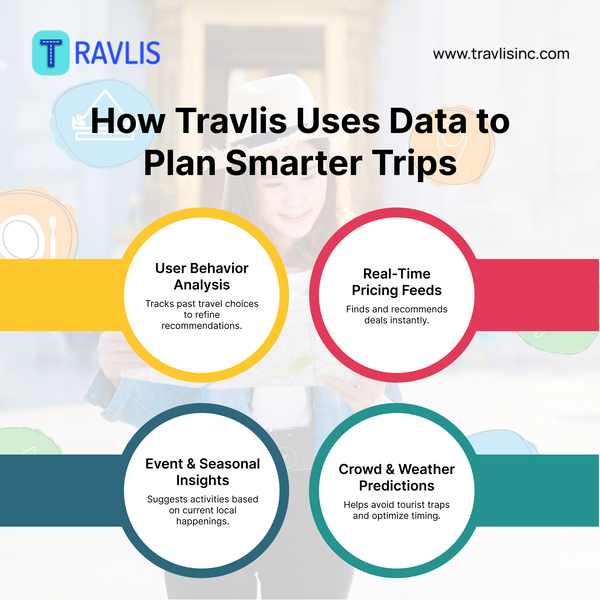
Modern travel is shaped by endless variables—flight availability, weather changes, user preferences, pricing trends, local events, and even global alerts. Travlis aggregates and processes all these data points to help travelers make informed decisions at every stage of their journey.
Data, in the context of Travlis, isn’t just a collection of numbers. It includes structured and unstructured information gathered from:
-
User behavior and preferences
-
Historical travel patterns
-
Real-time pricing and availability
-
Reviews, ratings, and social sentiment
-
Local event calendars and traffic reports
-
Climate forecasts and safety advisories
By synthesizing these sources, Travlis builds an intelligent ecosystem that responds in real time and evolves with every interaction.
1. Personalization Through Behavioral Data
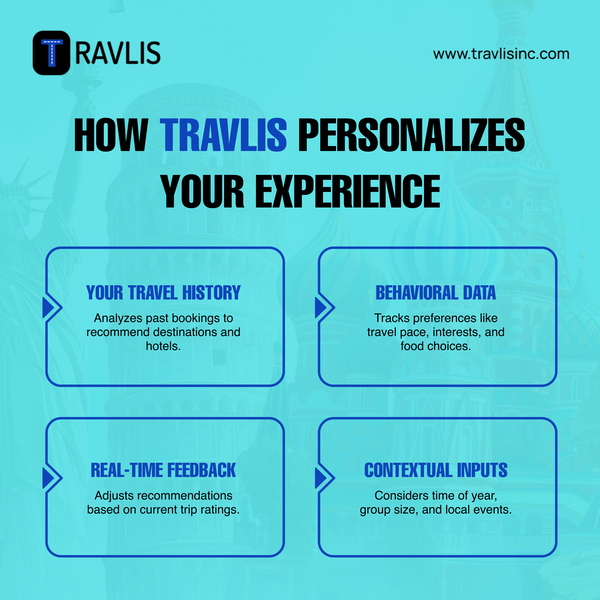
One of Travlis’ biggest differentiators is its ability to create hyper-personalized itineraries based on user data. This includes:
-
Past travel history (destinations visited, activities booked)
-
Search behavior (preferred destinations, filters applied)
-
Device and location data (to understand when and how users plan)
-
Budget preferences (spending habits across categories)
By analyzing these patterns, Travlis creates a traveler profile that allows it to suggest experiences uniquely aligned with each user. For example, a solo backpacker may receive budget-friendly hostel options and hiking trails, while a family traveler is guided toward kid-friendly accommodations and tours.
2. Predictive Analytics for Smarter Decisions
Travlis uses predictive analytics to help travelers avoid common planning pitfalls, such as booking at peak prices or choosing low-rated experiences.
Dynamic Pricing Forecasts
Travlis analyzes price trends across seasons, demand surges, and route popularity to forecast the best time to book. Users receive alerts when fares are expected to rise or drop, allowing them to secure deals at the optimal time.
Trip Duration Optimization
Based on user interests and travel pace, Travlis recommends how many days to spend at each destination. If historical data shows that most travelers spend two nights in Santorini but you’ve previously spent longer at beach destinations, the platform adjusts recommendations accordingly.
3. Real-Time Travel Intelligence
Travel is dynamic. Flights get delayed, weather changes, events get canceled. Travlis integrates real-time data feeds to provide accurate, up-to-date information throughout your journey.
Live Alerts and Notifications
Users receive updates about:
-
Gate changes or cancellations
-
Local weather conditions
-
Traffic congestion
-
Changes to booked tours or experiences
Travlis doesn’t just notify—it acts. If a tour is canceled due to rain, it suggests alternative indoor activities. If your flight is delayed, Travlis can rebook connecting transport or suggest a nearby hotel.
4. Localized Data for Immersive Exploration
Understanding local culture, safety, and trends can make or break a trip. Travlis uses localized data to help users explore more meaningfully and safely.
Context-Aware Recommendations
If you land in Tokyo and it’s cherry blossom season, Travlis highlights the best viewing spots. If you’re in Berlin during a local music festival, it will prompt ticket booking options and crowd forecasts.
Language and Etiquette Tips
By analyzing user location and intent, Travlis offers language support, cultural etiquette reminders, and even dress code suggestions for religious or cultural landmarks.
5. Crowdsourced and Social Data
Travlis also incorporates social sentiment and user-generated content into its decision-making framework.
Real Reviews, Real Insights
The platform pulls in reviews, photos, and ratings from verified travelers. This data is continuously analyzed to rank and suggest options based on reliability and user satisfaction, ensuring you’re not misled by outdated or biased content.
Popularity and Trend Forecasting
Using social listening tools and search volume data, Travlis identifies trending destinations, activities, and experiences. If a new rooftop bar in Barcelona is gaining attention, Travlis brings it to your radar before it’s overbooked.
6. Budget Management Through Spending Data
Travlis helps users control their finances with data-backed budget management tools.
Expense Tracking and Categorization
The platform tracks real-time expenses and categorizes them into flights, food, activities, and more. It alerts users when they’re nearing budget limits and suggests cost-effective alternatives.
Smart Budget Suggestions
Travlis doesn’t just manage your money; it guides you toward smarter choices. If your spending on food is higher than average, it may recommend local affordable eateries based on both pricing data and user ratings.
7. Seamless Integration with Third-Party Data
Travlis connects with multiple APIs and global partners to bring together fragmented data into a unified interface. This includes:
-
Flight APIs for live schedules and fare updates
-
Hotel and accommodation APIs for room availability
-
Event calendars for local festivals and shows
-
Currency converters and weather platforms
The result is an all-in-one platform that removes the need to consult multiple sources during your travel planning.
8. Continuous Learning Through AI and Feedback Loops
Data doesn’t sit idle. Travlis uses machine learning algorithms that continuously improve based on user feedback and behavior.
Feedback Analysis
After each trip, users are encouraged to rate their experience. This feedback is then used to refine future recommendations for themselves and other travelers.
Adaptive Algorithms
As trends evolve, Travlis’ AI adapts. Whether it’s responding to a global health advisory or shifting travel patterns due to geopolitics, the system learns and updates accordingly.
Final Thoughts
In 2025, planning the perfect trip is no longer about guesswork or hours of research. It’s about intelligent platforms like Travlis that leverage data to simplify, enhance, and personalize the entire travel experience.
From personalized itineraries and predictive pricing to real-time alerts and budget tracking, Travlis ensures every journey is backed by powerful data insights. In doing so, it transforms travel into a stress-free, enriching, and seamless experience.
As travel continues to evolve, data will remain at the heart of this transformation—and Travlis is setting the standard for what smart travel looks like.
Smarter trips start with smarter data. Smarter data starts with Travlis.